Economy in Orbit: Space Business, the Next Great Market
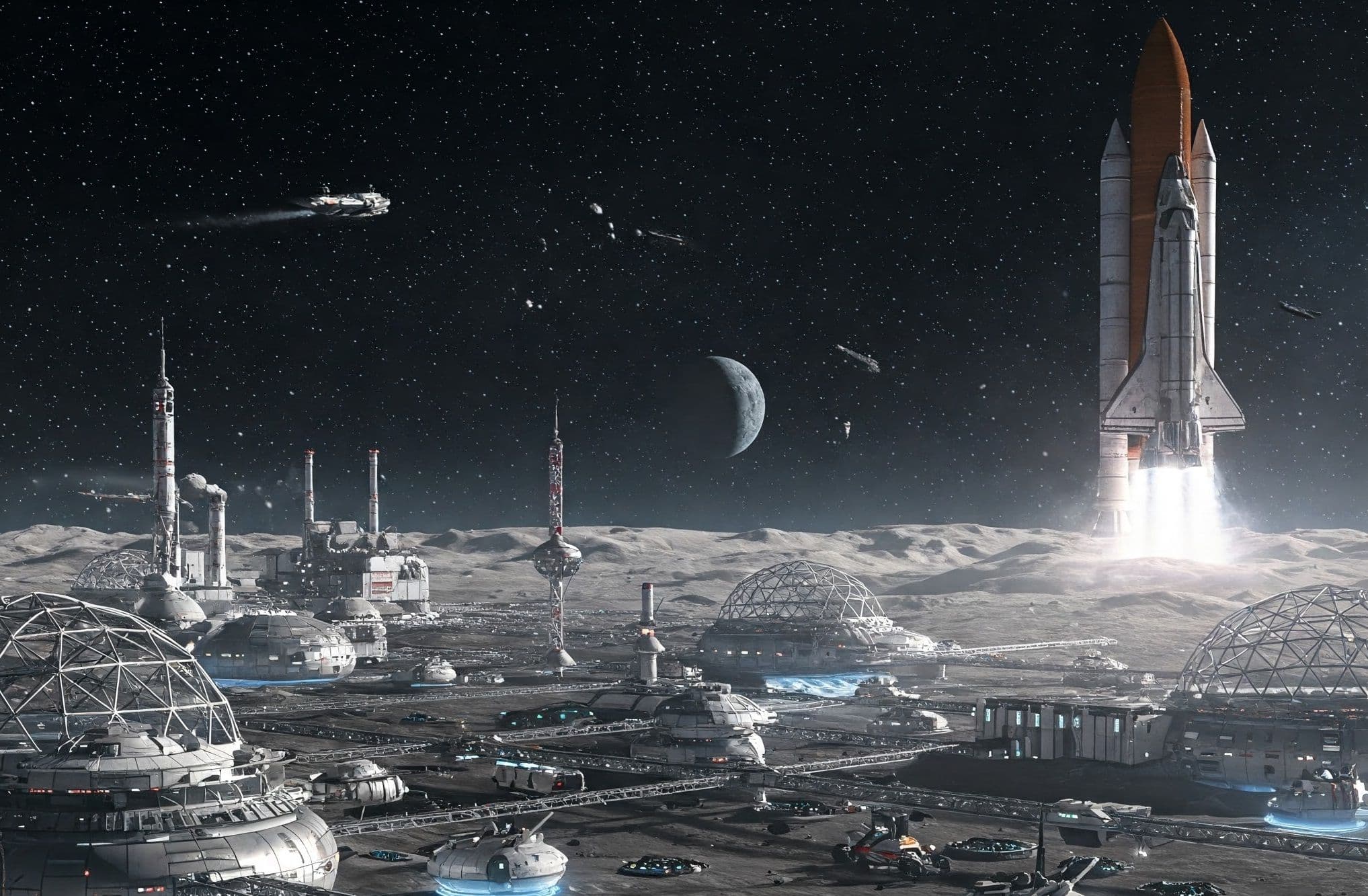
The space economy is no longer a futuristic dream: satellites, asteroid mining, and microgravity manufacturing are redefining business. With rising investment and a market projected to approach one trillion dollars, space is establishing itself as the next major driver of the global economy.Space is no longer the exclusive domain of government agencies; it is evolving into a dynamic ecosystem of investment and business growth.
What was once a field reserved for scientific exploration and state missions has become a market with multiple commercial verticals, from satellite technology to asteroid mining and microgravity manufacturing.
In this new landscape, opportunities for Earth-based companies are vast and diverse, ushering in an era where space is not just the future of exploration but also a crucial engine of the global economy.
Statistics confirm this trend. According to a report by Novaspace, the global space economy could approach one trillion dollars within the next decade. The consultancy estimates that the market will grow from $596 billion in 2024 to $944 billion by 2033.
Government spending, particularly military expenditure, will be a key driver of this growth, alongside satellite applications in sectors such as agriculture, logistics, and urban planning, which are expected to contribute an additional $348 billion over the next ten years.
Eyes in the Sky
Satellite technology has become the backbone of the new space economy, driving an unprecedented transformation across multiple sectors.
The evolution of satellites, which have shifted from large and costly infrastructures to more accessible and efficient constellations of microsatellites, has democratised access to space.
Today, these technologies play a vital role in telecommunications, navigation, and Earth observation, with applications ranging from global connectivity to environmental monitoring and agricultural optimisation.
Companies such as SpaceX, with its Starlink network, Planet Labs, specialising in high-resolution Earth imaging, and OneWeb, which aims to bring internet access to remote areas, exemplify the enormous potential of this market.
The proliferation of these solutions underscores that space is no longer just a destination but a strategic driver of the digital economy.
Gold Rush
Space mining is emerging as one of the most ambitious frontiers of the new space economy, with the potential to revolutionise access to strategic resources.
Asteroids and other celestial bodies contain vast reserves of valuable minerals, including rare earth elements and metals such as platinum and nickel, which are essential to the technology industry and the energy transition.
Several companies have already explored models for extracting and utilising these materials, yet the challenge is not only technical but also regulatory.
The absence of a clear legal framework regarding the ownership and exploitation of space resources raises questions about the viability of this emerging industry.
However, as the demand for minerals increases and technological capabilities advance, space mining could become a key pillar of 21st-century economic development.
Production in Space
Another major trend in the space economy is orbital manufacturing, which is making a significant industrial impact due to the unique advantages of microgravity.
This environment enables the creation of materials and products that are impossible to manufacture on Earth.
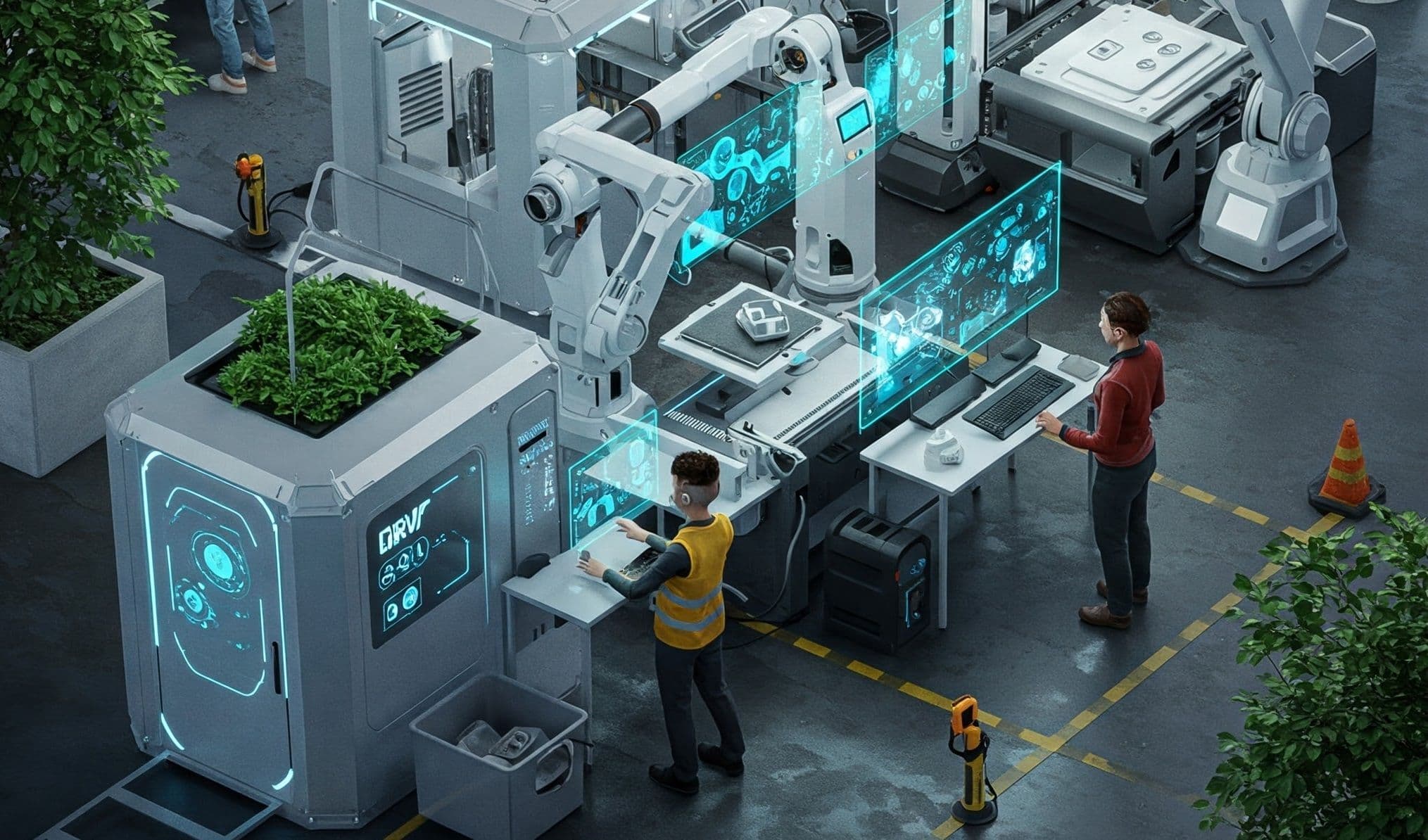
Industries such as pharmaceuticals, electronics, and advanced materials are already exploring the potential of this ecosystem.
From producing purer and more effective drugs to manufacturing superior-quality optical fibres, the absence of gravity provides optimal conditions for refining processes and improving product quality.
Companies such as Redwire Space and Made In Space are at the forefront of this sector, developing technologies for 3D printing and advanced manufacturing in commercial space stations, which are emerging as critical infrastructure for the industry's growth.
As space exploration advances, orbital production is transitioning from a futuristic vision to a reality with profound economic and technological implications.
Cosmic Challenges
Despite the immense potential of the space economy, companies looking to enter this sector face significant challenges.
Barriers to entry remain high: although launch costs have dramatically decreased (from $54,500 per kilogram with the Space Shuttle to less than $2,720 with SpaceX), the development of qualified space hardware requires substantial investment in specialised technology and highly skilled personnel.
The risks associated with space ventures are numerous and high-stakes. From launch failures to orbital hazards such as collisions with space debris, solar radiation, and extreme thermal conditions, effective risk management requires diversified investments, specialised insurance, and redundancy systems—elements that must be integrated into any space business strategy.
Another major challenge is the extended time horizon for returns on investment. Space projects typically require between five and ten years from conception to full commercial operation.
Investors must be prepared for these prolonged cycles, considering hybrid models that generate interim revenue through related terrestrial services or government contracts.
Finally, sustainability is becoming an increasing concern. With over 34,000 catalogued objects in orbit, space congestion poses a threat to future operations. Companies must integrate debris mitigation strategies from the outset, including de-orbiting systems and modular designs.
This responsibility is not only ethical but is also beginning to be enshrined in international regulations, which could impose additional costs on those failing to implement adequate measures.
Corporations that effectively navigate these challenges will be better positioned to capitalise on the extraordinary opportunities of this new economic frontier.
The Sky Is Not the Limit
Space, a vast expanse that humanity has marvelled at for centuries, is now transforming into the business frontier of the 21st century. This is not merely an extension of terrestrial markets but the birth of a completely new economy, with its own rules and untapped possibilities.
The corporations venturing beyond our atmosphere today are not just pioneers; they are redefining the very nature of business.
In microgravity, manufacturing concepts are being reimagined; on asteroids, Earth’s resource scarcity finds a cosmic counterpart; and in Earth’s orbit, data flows form new arteries of information that sustain global economies.
The true value of this emerging space economy lies not only in the resources extracted or the products manufactured but in the shift in perspective it brings. From space, Earth’s geographical boundaries fade, revealing a genuinely global market where international collaboration is not just beneficial but essential.
The space race of the 21st century is not about planting flags—it is about building bridges between human ingenuity and the limitless possibilities of the cosmos. For visionary companies, the sky is no longer the limit, but merely the starting point.