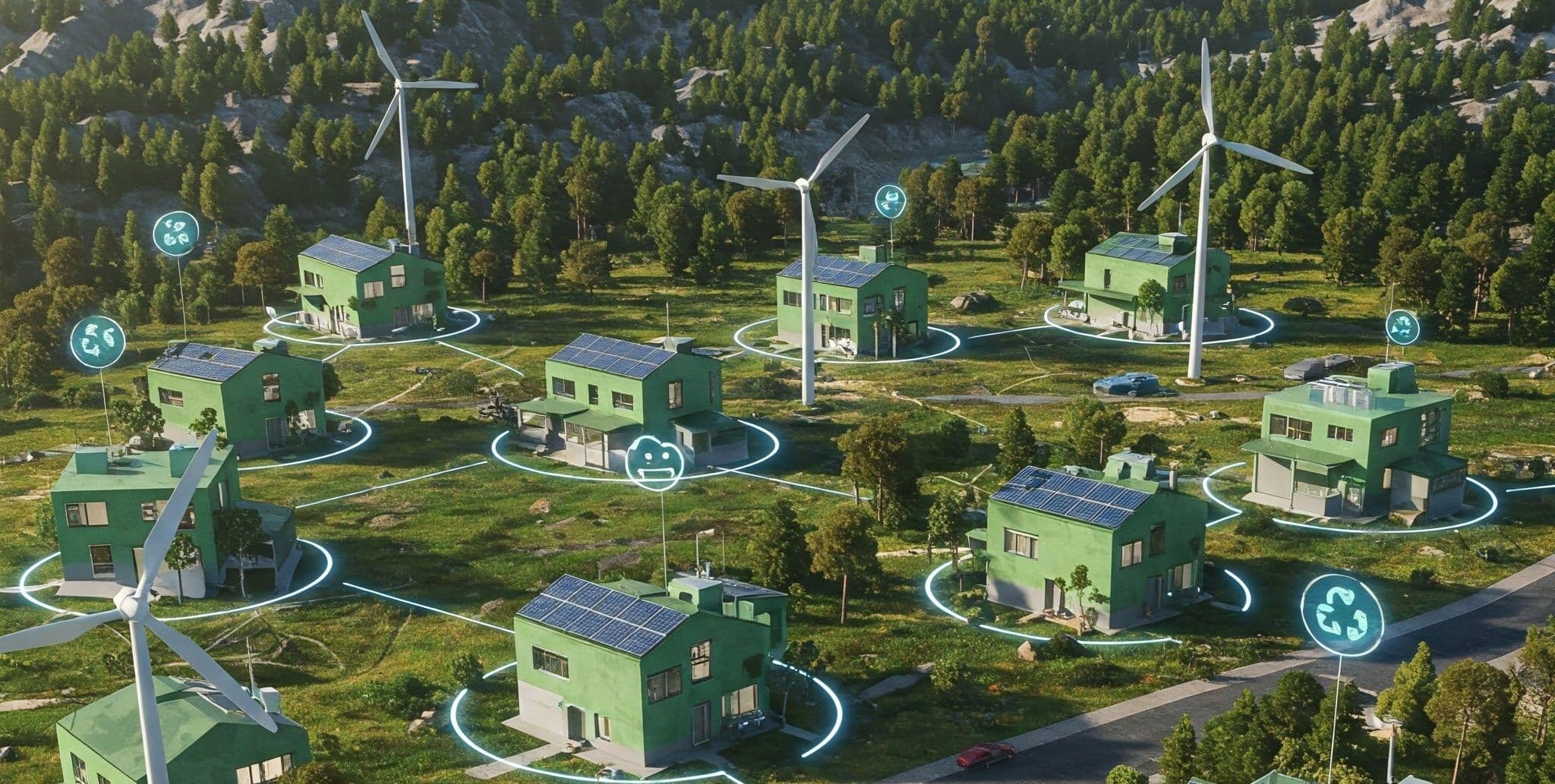

The Crucial Role of Climate Tech in Combating the Climate Crisis
From carbon capture to artificial intelligence and biotechnology, they offer concrete solutions to reduce emissions, curb deforestation, and enhance environmental resilience.In recent years, global concern over climate change and pollution has intensified, making it one of the most pressing issues on the international agenda. The melting of glaciers, deforestation, biodiversity loss, and extreme weather events—such as hurricanes, droughts, and heatwaves—are just some of the devastating consequences of human activity on the planet.
According to a report by the World Meteorological Organization (WMO), 2023 was the hottest year on record, with a global average surface temperature of 1.45°C. There is a high probability that this temperature will exceed 1.5°C for at least one year between now and 2028.
The environmental crisis poses a direct threat to ecosystems and species, including humanity itself.
Amid this stark reality, emerging technologies offer a potential solution to mitigate damage and restore degraded environments. What once seemed an insurmountable challenge—the rehabilitation of vast areas affected by pollution and climate change—is now becoming feasible, thanks to technological advancements collectively known as climate tech or green technologies.
Technologies Making a Difference
Climate tech encompasses a diverse range of solutions. One of the most promising is carbon capture and storage (CCS), a technology that prevents CO₂ from reaching the atmosphere by capturing it and either storing it safely underground or repurposing it in industrial processes. This approach is being implemented worldwide as part of strategies to reduce greenhouse gas emissions and meet global climate targets.
In Norway, for example, the Sleipner project, operated by Equinor, has been capturing and storing over one million tonnes of CO₂ annually in a natural gas field for more than two decades.
Meanwhile, drones provide real-time monitoring of areas severely affected by deforestation, water pollution, and desertification. They are also used in reforestation efforts, dispersing seeds in hard-to-reach terrains to accelerate ecological restoration.
In Brazil, for instance, the Amazônia 2030 project combines satellite monitoring technologies with drones to combat deforestation in the Amazon region.
Artificial intelligence (AI) is another game-changer in climate tech, particularly in predicting and preventing natural disasters. AI algorithms can analyse vast amounts of meteorological and environmental data to identify patterns that signal impending events such as floods, wildfires, or droughts.
In recent years, organisations such as NASA have deployed AI technologies to monitor climate changes in real time, improving the accuracy of extreme weather predictions. This enables authorities to implement preventive measures, reducing disaster impacts and saving lives.
When it comes to ocean restoration, seaweed cultivation has shown great potential in regenerating damaged marine ecosystems. Projects like The Ocean Cleanup use cutting-edge technology to remove plastic waste from the ocean and restore marine habitats. Additionally, underwater drones and sensors mapping marine biodiversity have enhanced the efficiency of restoration efforts.
Biotechnology for Environmental Restoration
In the effort to restore degraded ecosystems, biotechnology is emerging as a vital tool, offering advanced solutions to accelerate environmental regeneration. Through bioengineering and genetic modification, scientists are developing innovative strategies to rehabilitate soils, water bodies, and natural habitats.
One of the most significant breakthroughs is bioremediation, a process in which specially engineered microorganisms break down pollutants such as heavy metals, oil, and other toxic substances. These genetically modified bacteria and fungi facilitate the decontamination of soils and water affected by industrial activities.
In reforestation, biotechnology is enabling the development of plant species with enhanced resistance to diseases, extreme weather conditions, and nutrient-poor soils. By leveraging genetic modification, researchers have produced plants with greater adaptability, significantly increasing their survival rates in hostile environments and contributing to forest ecosystem recovery.
Another rapidly advancing field is the cloning of endangered species, which aims to preserve biodiversity and restore ecological balance in regions impacted by deforestation and habitat destruction. This technique allows for the reproduction of key species vital to ecosystem stability, helping prevent extinctions and support the recovery of essential food chains.
With these innovations, biotechnology not only accelerates environmental restoration but also provides long-term, sustainable solutions for biodiversity conservation and ecosystem resilience. In the face of a growing ecological crisis, these advances offer tangible hope for the planet’s regeneration.
A Future Full of Hope
Climate tech is proving its potential not only to curb climate change but also to repair the damage caused by decades of unsustainable human activity. According to a report by Allianz, the climate tech industry could triple in size by 2030, reaching a value of $600 billion.
While the challenges remain substantial—ranging from technical and financial barriers to regulatory hurdles—ongoing advancements provide reason for optimism.
Government backing, public-private collaboration, and investment in research and development will be crucial in scaling up and deploying these technologies on a global scale.
As the world transitions towards a greener and more sustainable future, climate tech stands as a beacon of hope. By fostering innovation, determination, and international cooperation, we can restore ecosystems, prevent environmental catastrophes, and mitigate the effects of climate change—ensuring a healthier, more habitable planet for future generations.